


Understanding Preschool Readiness: A Brief Overview
Preschool readiness is not about knowing the alphabet backwards or counting to a hundred. It’s about whether a kid is equipped to handle the social and logistical aspects of preschool. Think of preschool readiness as a mix of self-care skills, basic interaction with others, and curiosity for learning. A child ready for preschool can handle tasks like wearing their own coat, washing hands, or taking turns. It’s like scouting – get the basics down, and you’re prepared for adventure. Being comfortable apart from parents, listening, following simple directions, and playing well with others are also key. This readiness lays the groundwork for their education journey ahead, more like readying the soil before planting seeds. Get these elements right, and your little one is set for a solid start in preschool.
Key Indicators of Preschool Readiness in Children
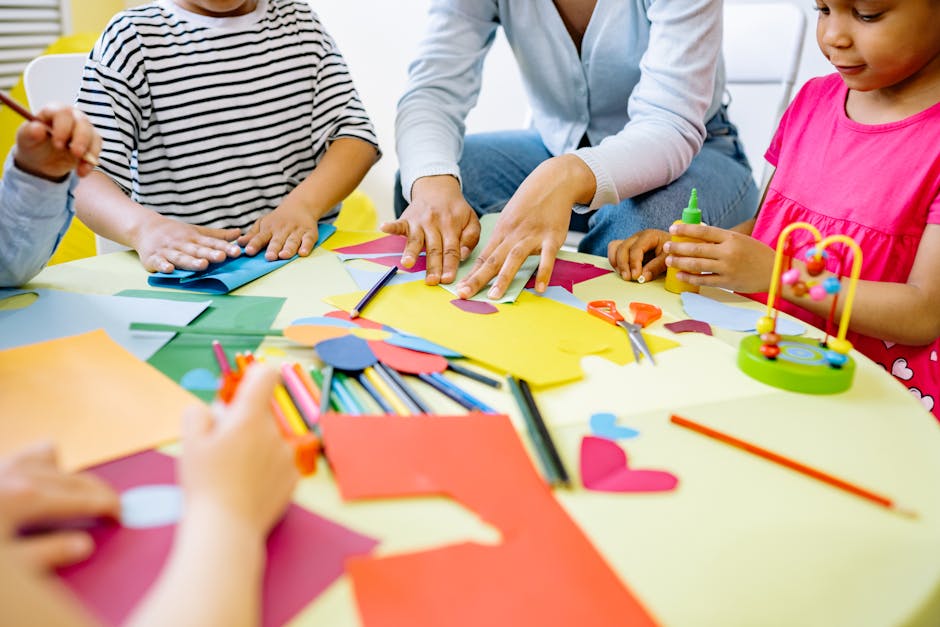
Before stepping into preschool, kids should be ripe with certain skills to help them thrive. Look out for language skills – can your child string together words into simple sentences? It’s a green light if they can. You’ll want to notice social chops too. Does your kid play well with others, share, and take turns? A thumbs up here means they’re on track. Self-care is another biggie. If a little one can handle basic stuff like washing hands or taking off their jacket, that’s a win. Focus skills are less about a staring contest and more about staying on task for short periods, so if your tot can listen to a story without bouncing off the walls, they’re good to go. Lastly, emotional readiness – can your kiddo cope with a bit of time away from you without losing their cool? If the answer is yes, preschool won’t seem like a mountain to them. In a nutshell, these are the markers that show your champ is ready to jump into preschool life.
The Impact of Early Childhood Development on Future Success
Getting the best start in life is crucial, and early childhood development is where it all begins. The skills and experiences a child gains during these formative years lay down the foundation for future learning, behavior, and health. Children who have access to quality early childhood education are more likely to do well in primary school, avoid repeating grades, and stay in school longer. They’re also better at social skills, which are key to navigating life. In fact, studies show that children with solid early development are more likely to graduate high school, earn higher wages, and are less likely to get in trouble with the law. The bottom line is clear – investing in early childhood development pays off big time, setting kids up for success on the long road ahead.
Activities to Boost Preschool Readiness at Home
To get your little one off to a flying start, involvement is key. Simple, playful activities at home can work wonders for their preschool readiness. Let’s walk through a few you can do together. Start with basic learning games that incorporate colors, shapes, and numbers. It keeps learning fun and engaging for them. Next, foster their language skills by reading stories out loud and encouraging them to join in. This not only improves their vocabulary but also helps them understand the rhythm of language. Creative craft projects get their hands moving and minds whirring, which is perfect for motor skills and problem-solving. Plus, don’t forget those physical activities like hopping, skipping, or playing catch. It helps them coordinate and manage all those wiggles. Oh, and a little cleanup time teaches responsibility and order. So, let’s make learning a blast with these easy-to-do activities right at home. Keep it consistent, and watch them grow, ready to take on preschool with confidence.
The Importance of Social Skills in Preschool Readiness
Before kids step foot into preschool, their social skills are like seeds waiting to sprout. Preschool readiness isn’t just about knowing colors and shapes. It’s about how kids play with others, share, and take turns. In the sandbox or during circle time, these are the moments that set the stage for their future. It’s key to remember that when a child can communicate needs, handle ups and downs, and cooperate, they’re not just “being good”—they’re building a toolkit for life. This social know-how helps kiddos make friends and deal with classroom structure, which affects learning everything from ABCs to empathy. So, when we talk preschool prep, think social skills. They’re not a “nice-to-have,” they’re a must.
Cognitive Skills Your Child Needs for Preschool
Preschool isn’t all about ABCs and 123s. It’s where kids start to pick up critical cognitive skills. Think of these skills as brain tools that help kids learn, solve problems, and understand the world around them. First, there’s memory – yes, the ability to remember things, like the color of an apple or the way home. Next up, we have attention. It’s like a spotlight; kids need to focus on what’s important and not get distracted by every little thing. Then there’s language skills – being able to talk and listen is huge for learning and playing with other kids. We can’t forget reasoning and problem-solving – this is where kids learn to think things through, like figuring out how to put a toy together. And lastly, they’ll need flexible thinking, the ability to adapt to new rules or ways of playing games. It’s not rocket science, but these skills are the big guns for little learners stepping into preschool.
Emotional and Behavioral Preparation for Preschool
Stepping into preschool is a big deal for little ones. Let’s talk about getting their emotions and behavior ready. Sure, knowing colors and shapes is great, but can your kiddo handle their feels and play nice with others? That’s what’s gonna make preschool a smooth ride.
Now, emotional prep means helping kids to understand and manage big emotions. No one’s expecting them to be little Zen masters, but they should start learning how to calm down when things get wild, and express their feelings in words, not just angry little outbursts.
Behavioral prep is about the basics—like following simple instructions, playing in a group without turning into tiny tornadoes, and sticking to routines like cleanup time. Think about it, if they get these things down, they’ll be like tiny superheroes in the classroom, able to tackle circle time and snack time like champs.
Remember, this isn’t about drilling your tot like a soldier. It’s about giving them the tools to navigate this new world of school without a meltdown. Keep it fun, keep it light, and they’ll be set to take on preschool with a grin.
How Preschool Programs Support Childhood Development
Preschool is more than just a place for kids to play while parents work. These programs are the building blocks for a child’s future. In a quality preschool, children dive into activities that boost brain development. They learn to follow routines, which helps them feel secure and understand what’s expected. Social skills skyrocket as they interact with peers and learn to share, take turns, and cooperate. Teachers guide them to explore their world with curiosity, which makes learning exciting and relevant. Preschool also lays the groundwork for literacy and numeracy; these aren’t just fancy words for reading and math, they’re the skills that will be the foundation for all their future learning. It’s a powerful combo that gives kids a strong start in life.
Transitioning to Preschool: Tips for Parents and Caregivers
Getting little ones ready for preschool is no piece of cake. But worry not, we’ve got your back with some solid tips. First, start talking to your tot about preschool. Big deal, right? Make it exciting – build it up like the adventure it is. Then, work on those social skills. Playdates are golden for this. Got routines? Great, stick to them. Regular bedtime, wake-up time, mealtime – keeps things predictable for your kiddo. Oh, and self-care skills are a must. Buttoning shirts, using the potty – practice makes perfect. Lastly, reading books about preschool can ease their nerves. Keeps them informed, you know? Now march forward with these tips and watch your little one take on preschool like a champ.
Summarizing the Significance of Preschool Readiness in Early Education
Preschool readiness isn’t just a fancy term; it’s a solid step towards your child’s academic and social success. Think of it like laying the groundwork for a house; solid foundations lead to sturdier structures. By preparing kids for preschool, they learn the ropes – how to interact with others, follow routines, and kickstart their curiosity for learning new things. It’s not about mastering complex skills; it’s about getting comfortable in a learning environment. Preschool readiness can help ease the transition, reduce anxiety for both kids and parents, and set the stage for a love of learning that lasts. Remember, early education isn’t a race; it’s more about giving kids the right tools at the right time for their growth journey.

